 PRBH
PRBH
Indian Trust for Rural Heritage and Development (ITRHD)
Just as the universe is contained in the self, so is India contained in the villages
- Mahatma Gandhi
Just as the universe is contained in the self, so is India contained in the villages
- Mahatma Gandhi

IThe EMT program is a vocational healthcare training initiative designed to empower rural youth who have completed at least Class XII (in Arts, Commerce, or Science streams) and aspire to build a career in emergency and critical care services.
The COVID-19 pandemic underscored the vulnerabilities of India’s rural healthcare infrastructure and the urgent need for a trained emergency response workforce. Strengthening human resources at the grassroots level through EMT training is therefore critical for ensuring timely, life-saving interventions in rural communities.
The course equips participants to manage medical emergencies, accidents, and trauma cases efficiently. Training is conducted through a hybrid model combining both online and offline learning, including:
The training framework includes:
Participants are evaluated through theoretical and practical assessments, and receive certificates upon successful completion. The implementing partner facilitates both internship placements and employment linkages to ensure continuity into professional practice.
The EMT program was launched in the early 2023 in Bhiwani, Haryana, with sponsorship from our Corporate Partner Hindustan Gum & Chemicals Ltd. (HGCL) wherein we trained 12 rural youth, equipping them with essential competencies in basic emergency response, first aid, and trauma management. Nearly 90% of the trainees secured internship placements at hospitals in Bhiwani, with strong prospects of being absorbed into full-time roles post-internship. The program received highly positive feedback from both the trainees and partnering medical institutions for its relevance, quality, and practical outcomes.
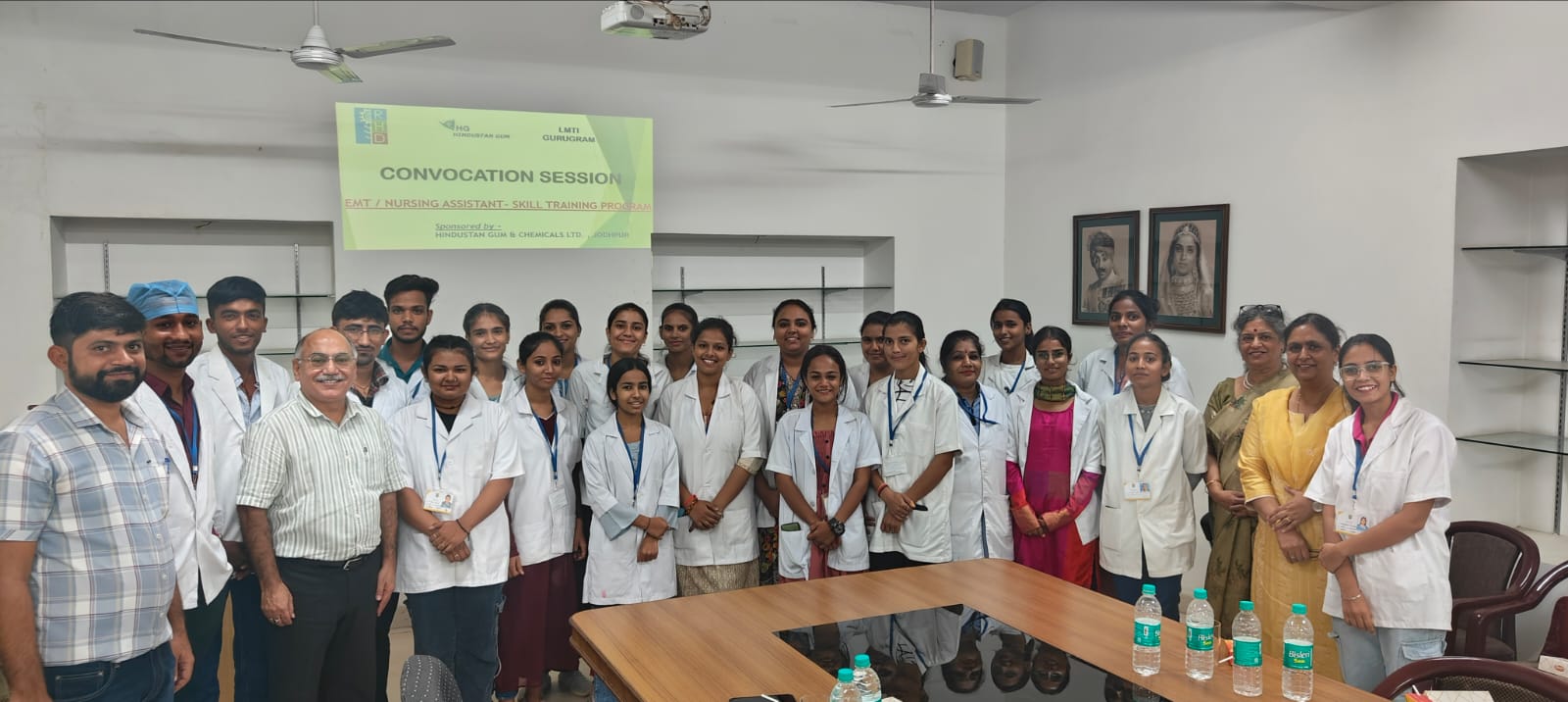
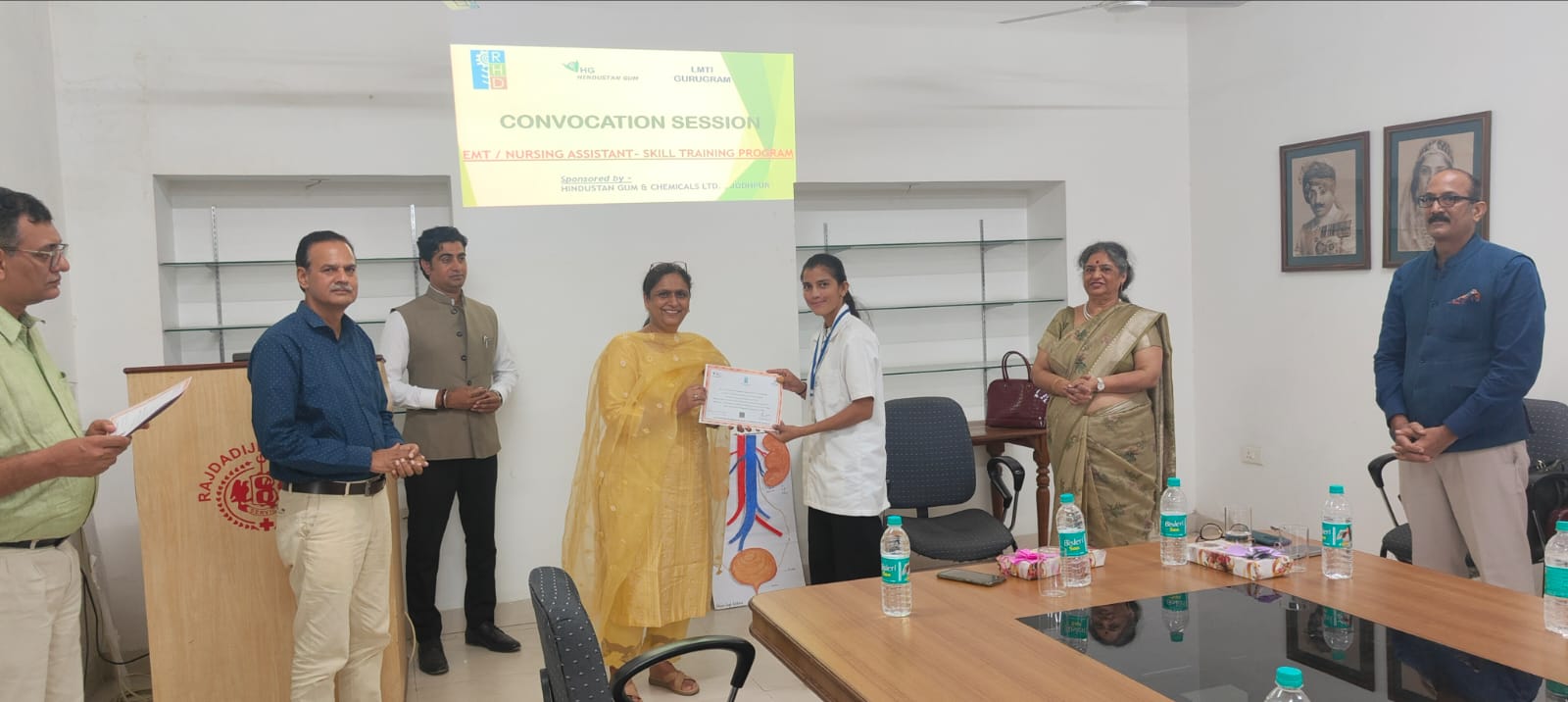
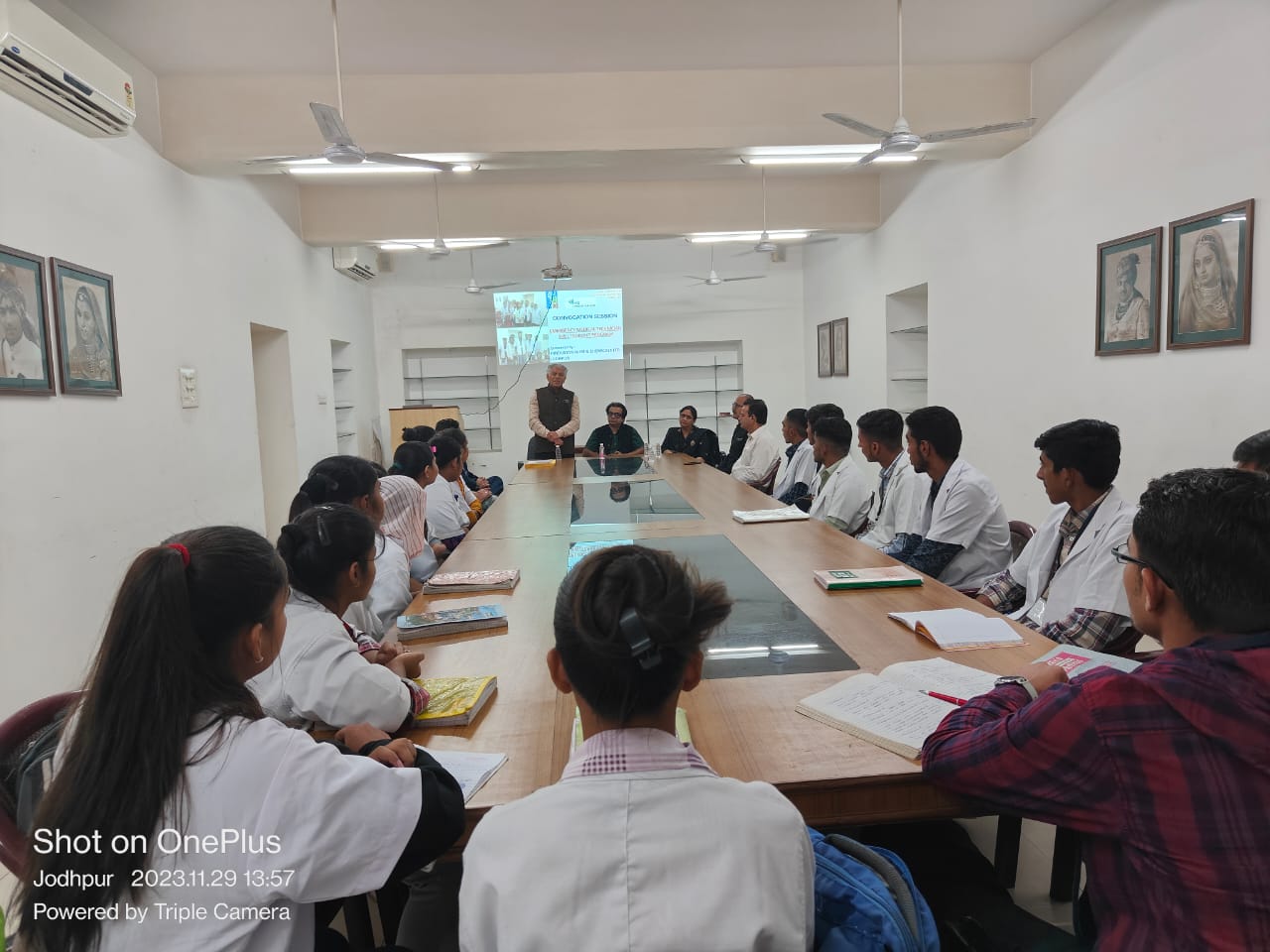
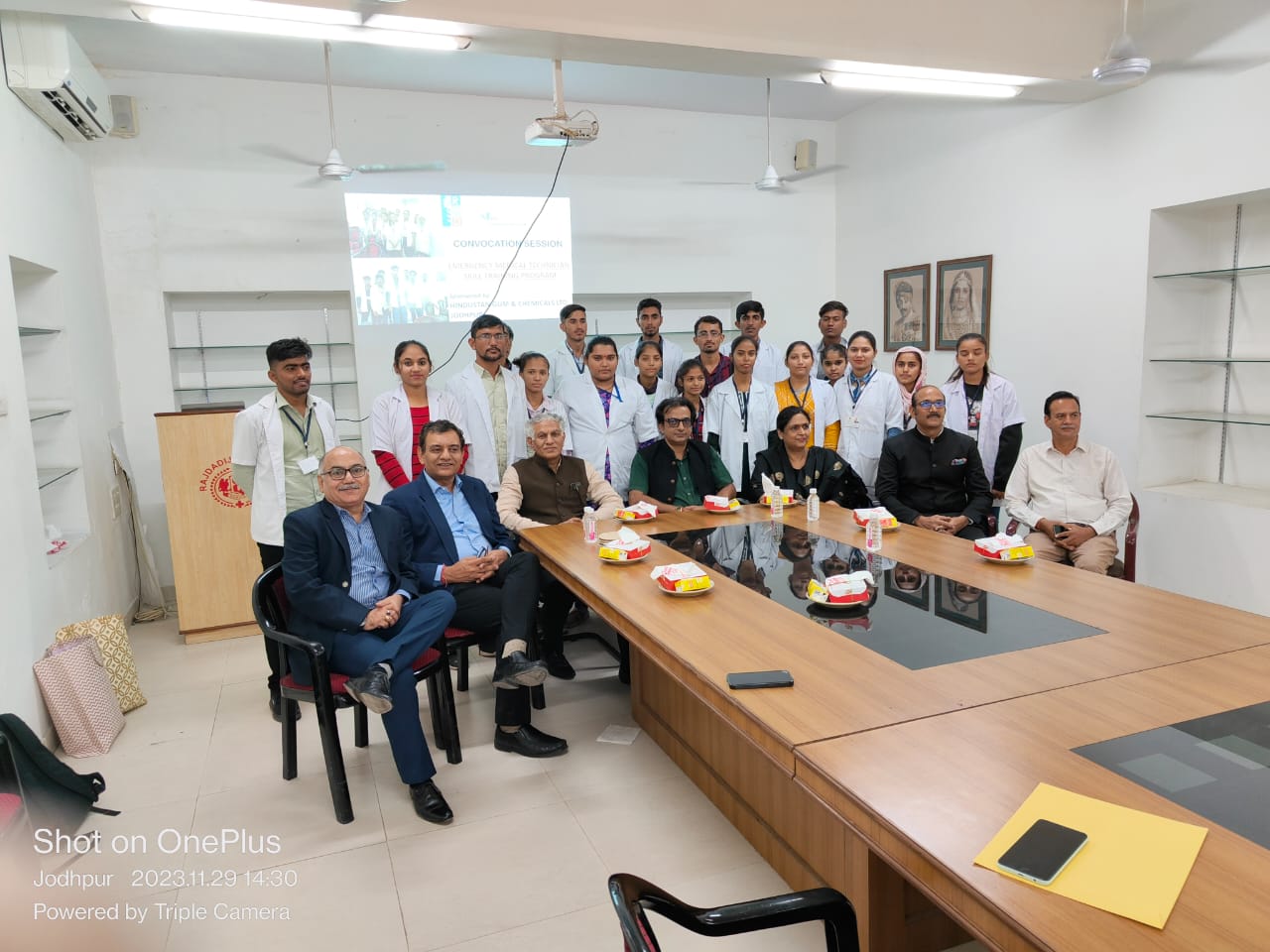
Encouraged by the success in Bhiwani, the EMT program was extended to Jodhpur, Rajasthan, during FY 2023–24 and 2024–25 and 2025-26. Across these two years, 60 students (20 per batch) received professional training focused on bridging rural healthcare service gaps and enhancing employability through practical medical skills.
The outcomes have been remarkable — 100% of participants have successfully completed internships at local hospitals and health centres, subsequently transitioning into permanent employment. This achievement reaffirmed the program’s effectiveness in empowering rural youth and strengthening healthcare delivery in underserved regions.
